SHEEP Producers Australia has started a review of the sector’s sheep and lamb transaction levies, but has not set producer consultation period or completion timelines.
SPA chief executive officer Bonnie Skinner said independent analysis and economic modelling relating to sheep transaction levies and current levy arrangements is currently underway.
“This work includes assessing how the current levies are performing — including revenue, expenditure, return on investment, efficiency and effectiveness — and considering whether any future options may be appropriate given changes across the industry, levy collections and investment priorities,” she said.
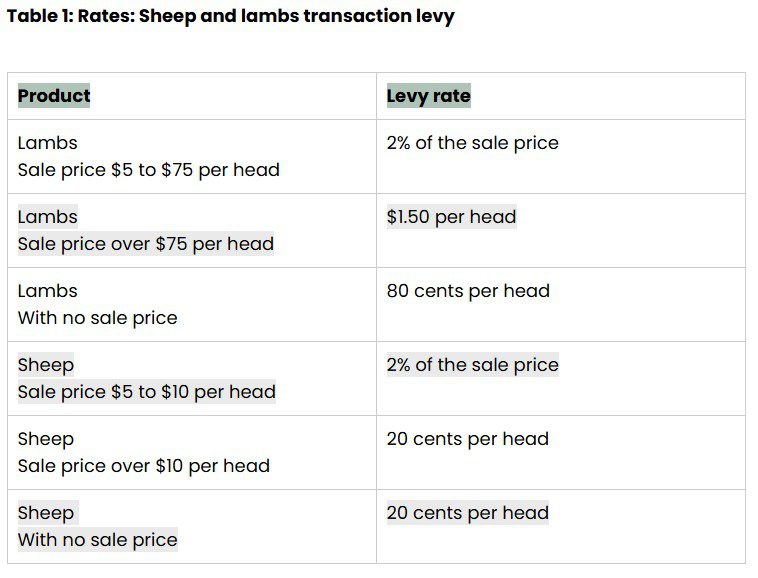
The current transaction levies include 80 cents/head for lambs with no sale price, 2 percent of the sale price for lambs sold for $10-$75 or $.150/head for those sold for more than $75. A levy of 20 cents/head applies to sheep with no sale price or sold for more than $10/head, and sheep sold for $5-$10 are levied 2pc of the sale price.
In her blog earlier this month, Ms Skinner said reviewing the levy is not about change for change’s sake, nor is it a decision already made.
“It is also not a proposal to unilaterally increase levies.
“It’s the initiation of a conversation about what future sheep industry investment looks like.”
However, she said notably, the sheep and lamb transaction levy rates have not changed since they were established in the late 1990s.
“Sheep Producers Australia undertook reviews of the levy in 2005 and 2018–19, but that work now needs a refresh to reflect today’s industry and where it is heading.
“Since the levies were first implemented, the cost of delivering research, marketing and industry services has evolved with inflation, and understanding what this means in real terms is an important part of assessing how the current system is operating.”
Ms Skinner said the levy review work is being overseen through SPA’s governance processes, including the SPA board.
“Decisions regarding whether options should progress further would ultimately be a matter for the SPA Board, informed by the independent analysis, industry input and broader strategic considerations for the sheep industry.
“If the analysis identifies options that warrant further consideration, those options would be subject to consultation with levy payers to understand industry views and the level of support,” she said.
Ms Skinner said consultation arrangements have not yet been finalised.
“A consultation process would be designed to provide levy payers with the opportunity to consider and provide feedback on potential options.”
Ms Skinner said preferred levy options would be determined as part of developing the consultation approach in accordance with the levy guidelines.
“The levy guidelines outline both voting and non-voting consultation methods.”
She said if an option preferred by the industry is finalised, it will be proposed by Sheep Producers Australia to the Minister for Agriculture, Fisheries and Forestry for consideration.
How to change or amend a levy
Levy guidelines – How to establish or amend agricultural levies. 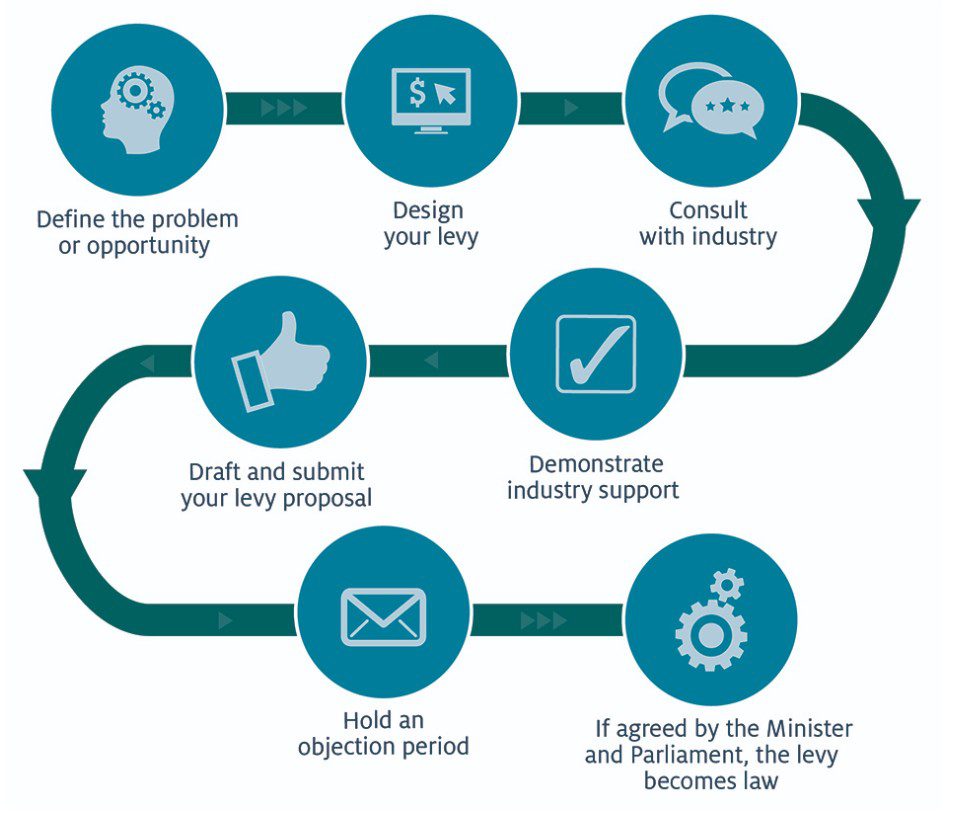
Levy guidelines allow a prescribed industry body to propose a levy change before seeking broader industry support, and there is no required minimum period for consultation on a levy proposal with industry. But “consultation periods should be long enough to allow all actual and potential levy payers, collection agents, levy recipient bodies and other stakeholders to access and understand a proposal, to allow them to discuss and provide constructive feedback, taking “into account peak season in your industry so that everyone has time to consider the proposal.”
The guidelines also stipulate that voting in levy-related ballots is not required by law, “which is why it is important to show that you gave all affected levy payers an equal opportunity to consider the proposal and have their say.”
“The government considers a majority to be 50% plus one of levy payers who choose to vote. Ballots and votes should demonstrate a majority on a one-vote-per-levy-payer basis.”
HAVE YOUR SAY