
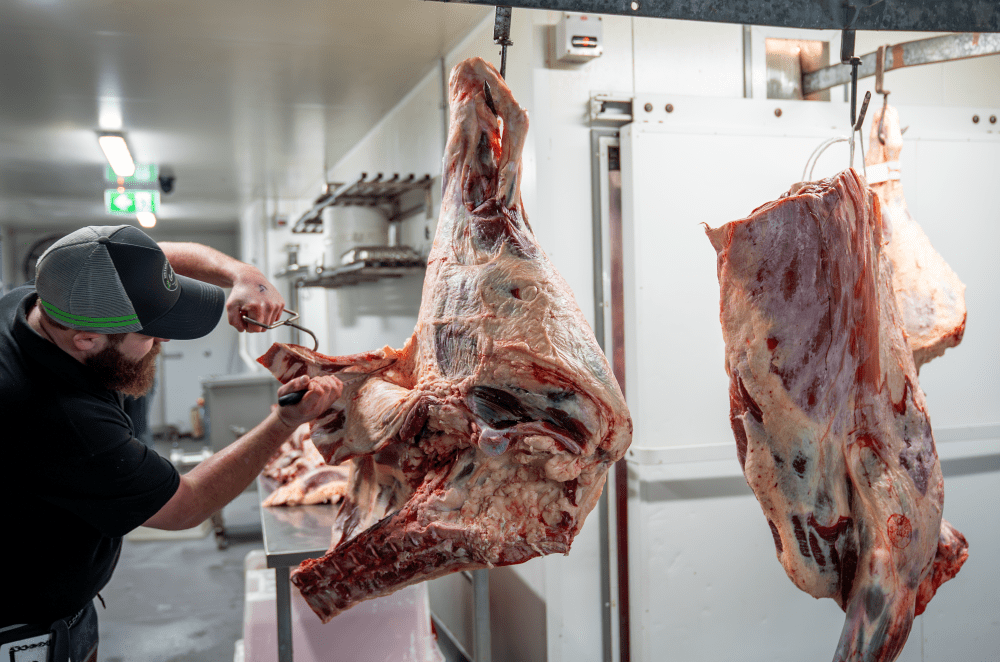
AUSTRALIA’S red meat processors have long struggled to find skilled workers but the stakes are rising and the cost of the gap is climbing.
Decisions that once took years to master, like balancing a carcase against shifting orders or prioritising cuts are now being made in very fast environments, often by less experienced teams.
At the same time, experienced staff are harder to retain. When they leave the loss of that knowledge is felt right across the production chain.
The result is a growing recognition across the sector that experience remains critical but it can no longer carry the industry alone.
When knowledge gaps hit the bottom line
Decisions are all linked in a processing plant. A planner’s call on product prioritisation affects the boning room. Boning room performance influences sales commitments. Livestock specifications shape yield outcomes. Timing is everything.

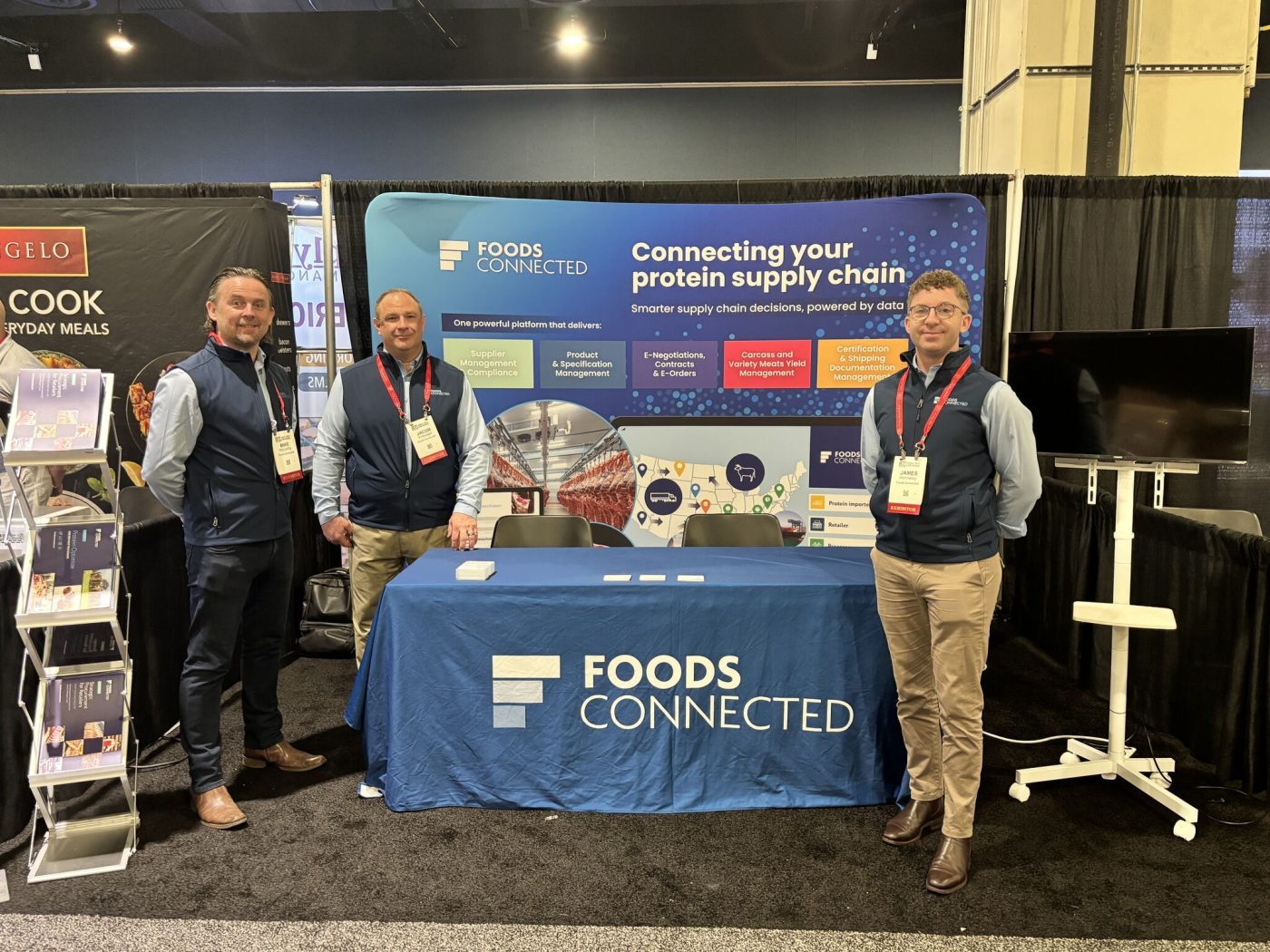
James Hennessy, Global Head of Sales – Protein, Foods Connected
Foods Connected’s Head of Protein, James Hennessy, describes the system as operating like an engine where each decision feeds the next.
“Engines rely on timings of actions to succeed. Abattoirs work identical,” he said.
“Planners are a good example. Their decisions require a deep understanding of other functions within their business. When new people come into a business, or when people leave, the knowledge gaps tend to appear.”
Those gaps influence the decisions being made down the line. Those decisions have often relied on instinct built over years on the floor. But relying on instinct alone creates risk when knowledge sits solely with individuals.
“Our industry has incredibly knowledgeable people that we trust,” James said. “But, when they leave, the decision-making process often becomes exposed to risk.”
The linchpin role we can’t do without
Few positions highlight the issue more clearly than the production planner, a role widely regarded within plants as one of the hardest to replace.
Within day-to-day operations, the business relies heavily on the decisions planners make
“Within day-to-day operations, the business relies heavily on the decisions planners make,” Mr Hennessy said. “Abattoirs cannot operate without them.”
The job requires understanding everything from sales priorities and livestock supply to production performance and inventory flow, all while forecasting what’s coming next.
“They’re building forward plans, while having to analyse past production, when making decisions for the present,” Mr Hennessy said. “Quick access to information is a non-negotiable way to support efficient decision making. Planners rely on their strong, transparent relationships with the sales team and boning room to drive decisions on prioritisation.”
“Therefore when planners leave, the impact is significant. And often costly for a period.”
Instinct has limits
Gut instinct has been a defining feature of the industry but processors are increasingly aware of its limitations in a more complex environment.
Access to quick, structured data is increasingly seen as a way to reduce that reliance. No-one’s out to replace judgement, but supporting it is crucial.
“Data is the silver bullet,” Mr Hennessy said. “For people, it’s about empowering them with the data needed to validate the decisions they’re making. For businesses, it’s about replacing assumptions with data driven decisions.”
Better access to information also improves reaction time, particularly during sudden market shifts.
“Tariffs cause sudden shifts in demand. When tariff announcements happen, commercial and operational functions within an abattoir will utilise past, present and future data to support decisions,” Mr Hennessy said.
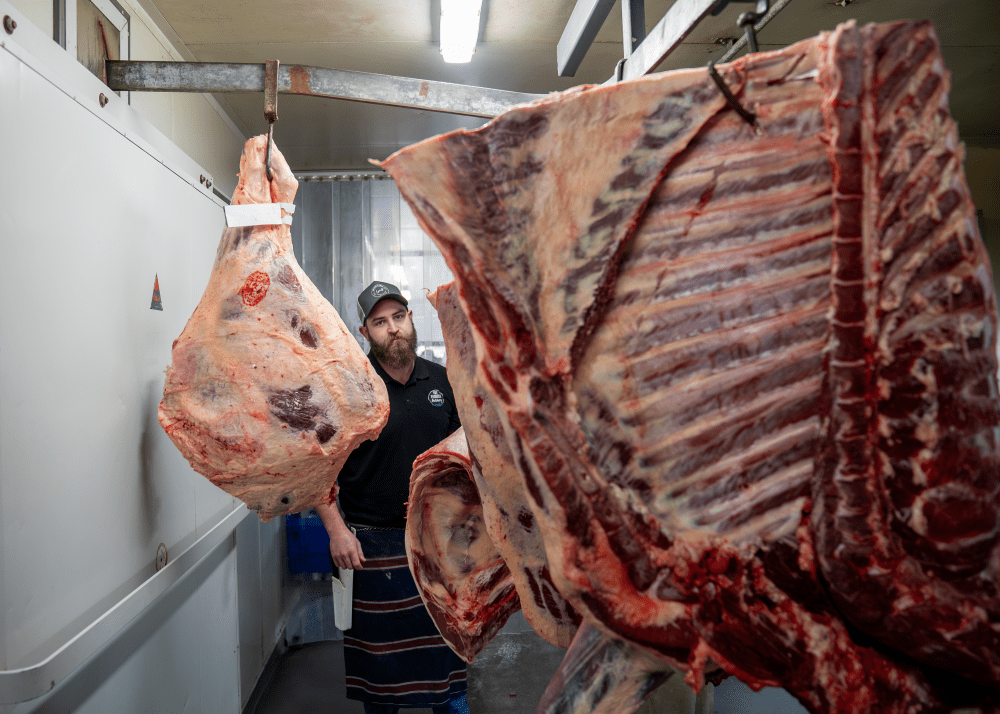
A changing skillset
When we think of a skills gap we instantly think of experience, but it’s also about the type of skills required in modern processing environments.
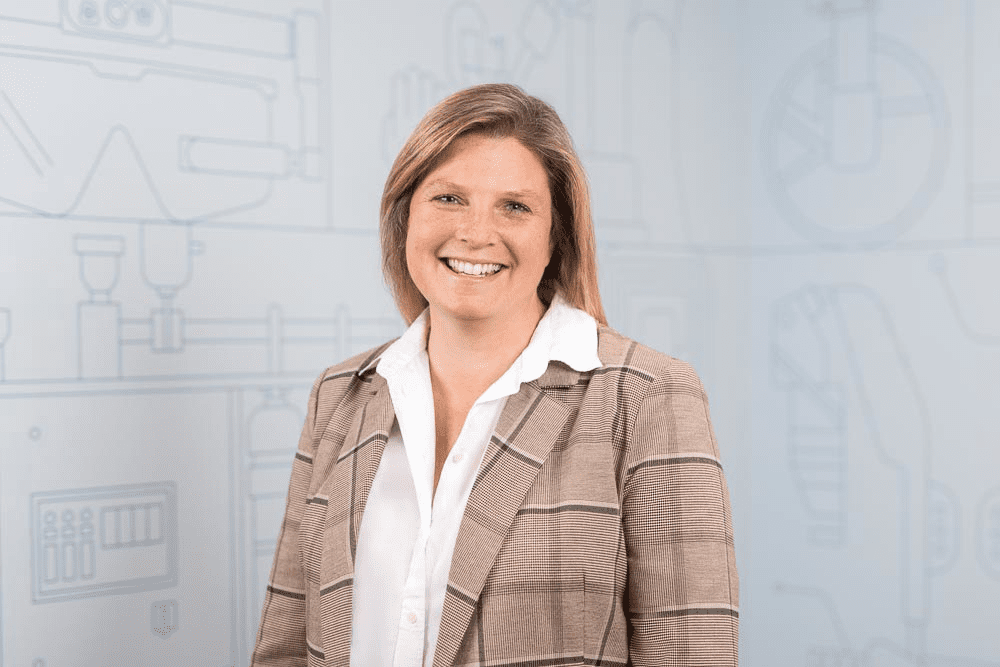
Edwina Toohey, CEO of Australian Meat Processor Corporation
Edwina Toohey, CEO of Australian Meat Processor Corporation (AMPC) said the industry is already seeing pressure in areas where traditional operational knowledge must be combined with new capabilities.
“Skilled labour is always a challenge and processors rely on large numbers of skilled labour to ensure quality and productivity,” she said.
“Broadly, a challenge industry has is in middle management and additionally with the development of technology such as robotics and the use of artificial intelligence (AI) there is a need for more diverse skill sets into the future.”
As a research and development corporation, AMPC provides support and resources to bridge these gaps through initiatives such as STEM camps.
There’s no denying young people entering the sector today need competencies that were far less important a decade ago.
“Digital data, AI awareness and preparedness,” Ms Toohey said. “Red meat processing is increasingly harnessing the productivity and efficiency advantages of technology, from AI algorithms in animal welfare monitoring to robotics and data management.”
“Young people proficient in the skills required to fully capitalise on these tools will be critical in an industry where the workforce must be expanded beyond the physical.”
Attraction and retention challenges
Attracting those skills is tough. Careers in meat processing are often a harder sell than other areas within the wider food industry.
“There is no industry as exciting and fast-paced as meat, but there is no sugar coating that it is hard work,” Mr Hennessy said.
“For people entering our industry, packer graduate programmes require time in the plant to build and nurture knowledge of product, people and processes. Speaking from my own experience, the transition from uni to the kill floor was a shock to my system.
“Six of us started that graduate programme that year, that was down to three of us by the end of my first 12 months. Quick service restaurant and retail were the big attractions for those who left.”
Awareness of career pathways remains another barrier, with AMPC noting that many young people simply don’t realise how many varied roles exist in the red meat industry.
It’s addressing this through its More to Meat program and by promoting the range of job opportunities and career pathways through its careers portal.
“The red meat industry is actively looking to bring young people into roles in everything from quality assurance and livestock purchasing to engineering and robotics,” Ms Toohey said. “Growth and development options in processing also follow differing routes to most linear career progressions.”
Where technology is easing the pressure
Instead of replacing workers, technology is increasingly seen as a way to support them, especially those still building experience.
Technology and data have quickly helped provide access to online working modules which means new staff can progress quicker.
“Skills such as primal identification, workplace health and safety on-plant and the general daily operations have all been hands-on taught in the past but technology has opened a virtual environment where regional areas can also access this training without having to travel to the cities resulting in physical cost and time off plant,” Ms Toohey said.
“Young individuals entering this industry need access to resources to train and be better equipped for their daily tasks.
This approach helps shorten learning curves and improves access for regional workforces. Within plants, better data visibility also reduces pressure on key decision makers.
“Opinions are negotiable. Facts are not,” Mr Hennessy said. “Providing decision makers with factual data to support their decisions, empowers those people. It can completely transform how people operate.”
People are your greatest asset and your biggest risk
The paradox facing processors is that their workforce is both their biggest strength and their biggest vulnerability.
“People are our biggest asset. Equally they’re our biggest risk,” Mr Hennessy said. “We can’t function without people on the line but there’s a heavy reliance on people’s knowledge and their decision-making every day.”
That reliance becomes more significant as experienced staff move on and newer workers step into complex roles more quickly.
The industry response is changing. Processors are investing more money into training programs, their people’s health and wellbeing, and local communities.
In parallel, investments in automation and digital systems are increasing. Our industry is embracing innovation to meet evolving consumer demands, and as an important risk management tool.”
They’re also investing in AI robotics on the line and innovative systems, particular after COVID which highlighted how vulnerable operations were to labour shortages.
“COVID was a wake up call for our supply chain. It has changed how we approach risk,” Mr Hennessy said. “When assessing innovation investments, our industry will consider the risk of doing, versus the risk of doing nothing.
“Traditionally, doing nothing was considered the safer option and has held companies back. This decision making process is shifting. Significant increases in the volume of innovation investments within our industry support this.”
The payoff for getting it right
If the industry succeeds in closing the skills gap the benefits go beyond plant efficiency.
“At its core red meat processing is working to feed the world,” Ms Toohey said. “The necessary number of skilled workers is key but it goes even further such as economic stability in regional areas, ensuring animal welfare standards and environmental stewardship.”
Processors love experience. They don’t want to replace it. But they do want to make it scalable.
Building knowledge into systems while training the next generation could be one of the most important investments the sector makes yet.
Want to learn more about Foods Connected’s supply chain management software? Click here
You got that right; hard work, fast pace and burn-out rates are sky high.
I was in the meat industry for 35 years and wouldn’t recommend any young person to enter the industry until something is done about how the big processers treat their workers.
All they are worried about is the bottom line $$$
I’am 53 and burnt out.
I was once a highly skilled meat processor, but they didn’t like us making good money on tally systems and the money they pay now is not worth getting covered in blood, not to mention it’s a hard job. The companies were telling us for years that they won’t need us one day because robots will be doing all the work soon. There’s no point companies complaining, they had it all once, but you reap what you sow.
I am not sure that the wear and tear on production staff bodies with aging is being addressed quickly enough.