
Latest listings on our AgJobs Central recruitment page:
- Territory Manager – northern NSW and Qld (InterGrain)
- Head Stockperson, St George/Roma QLD (McIntyre Agriculture)
- Pastoral Manager – Organic Beef & Regen Grazing Aggregation (DroverAg client)
- Grower Relations Manager – Fixed Term Contract (GRDC, via Rimfire)
- Grower Relations Managers – WA & SA (GRDC, via Rimfire)
- Senior Event Planner – Ekka (Royal Queensland Show)
- Livestock Overseer Cattle – Glen Innes, NSW (Furracabad Station)
- Central Operations team member (StockLive)
- Plant Operations Manager (GenTech Seeds)
- Frm Manager – Mixed Livestock, Western District (DroverAg client)
- Asst Manager – Livestock & Irrigation Development, Oxley NSW (DroverAg client)
- Experienced Stationhand –Cattle Breeding Aggregation, SW Qld (DroverAg client)
- Cropping Focused Senior Farm Hand –Western Downs, Qld (DroverAg client)
- Experienced Farm Hand – Angus Herd, Trading & Fodder Cropping, Holbrook NSW (DroverAg client)
- Station Hand – North Burnett, Qld (DroverAg client)
- Experienced Farm Hand – Broadacre Cropping | Great Southern, WA (DroverAg client)
- Farm Manager – Thoroughbred Training Facility | Euroa, Vic (DroverAg client)
- Feedlot Operations Supervisor – Riverina region NSW
- Chief Commercial & Marketing Officer (InterGrain)
- Farm Manager – Douglas Daly NT (NT Government)
- Farm & Feedlot Manager – Olinda Park, Darling Downs (Gibson Grazing)
Click here to access these and other exciting meat and livestock supply chain jobs currently listed on AgJobs Central.
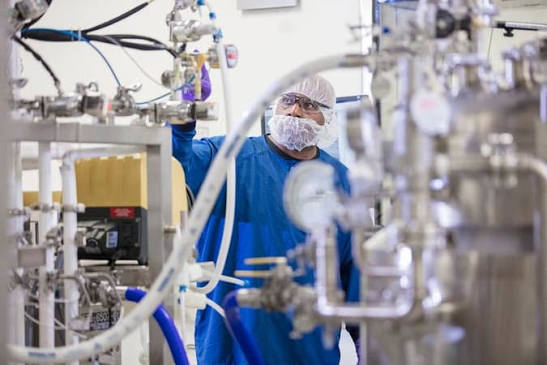
Q-fever vaccine being produced
NEW staff recruited to livestock properties and meat processing facilities will need special protection from Q Fever following news that Australia has run out of vaccine supplies.
Supplies of Q-VAX are not expected to be available until early January, according to supplier CSL Seqirus.
However, the Australian Meat Industry Council has warned that “members should plan for the possibility that these dates are not met or are deferred.”
Additionally, tests for pre-existing immunity are also on hold. While the Q-VAX skin test remains available, vaccination clinics have been advised not to administer it or run Q Fever pre-screening clinics until vaccine supply is available, because a skin test must be conducted seven days before the expected date of vaccination.
All production staff working in AUS-MEAT accredited meat processing facilities in Australia must be screened/vaccinated for Q fever before commencing work.
CSL Seqirus has issued no advice about staff who have already undergone testing. Company spokesman Hamish Walsh said: “Testing is really a question for doctors and health authorities, and not one we could comment on.”
Q-VAX is made from purified, inactivated Coxiella burnetii bacteria. In a statement, Seqirus said that growing the bacteria under controlled conditions is complex, and that batches can vary biologically in ways that delay their release.

Similar challenges occur occasionally with ‘bad’ batches of livestock vaccine, creating temporary shortages from time to time.
Mr Walsh said: “Q Fever vaccines are a complex biological product manufactured under strict bio-containment conditions. Small manufacturing delays can have a large flow-on effect. Also, from beginning to end, the manufacturing process can take many months.”
The shortage comes less than a year after CSL Seqirus opened an onshore Q Fever vaccine manufacturing facility in Melbourne.
The Australian company invested more than $1 billion to build the facility opened on 2 December 2025. The Victorian Government also contributed to the project, aimed at providing sovereign manufacturing capability and supply of Q fever vaccine.
Opening the facility, Federal Health Minister Mark Butler said: “Through our partnerships with companies like CSL, the Federal Government is ensuring the health of Australian’s is protected.”
Also at the opening, CSL Seqirus general manager Dave Ross said: “This facility will build a platform for our next wave of innovation in vaccines and unique health challenges, setting a new standard of care.”
Meanwhile, a spokesman for the Australian Meat Industry Council said: “With Q-vax unavailable until at least early January 2027, and no skin testing or pre-screening in the interim, members cannot rely on vaccination to control the risk for new workers during that period.
“We encourage members to review their Q Fever risk management now, and to confirm they are managing the risk as far as reasonably practicable.”
In the meantime, AMIC recommends a review of Q Fever risk management to include –
- An assessment of which roles and work areas carry the highest personal Q Fever exposure risk
- An assessment of whether existing controls (such as hygiene, dust and aerosol management, protective clothing and respiratory protection) are adequate for vaccinated workers
AMIC warned members mid-year that stocks were low.
“Since then, Seqirus was manually allocating limited stock, prioritising meat processing workers and advising employers to delay onboarding of new workers where possible,” the AMIC spokesperson said.
I have not had Q Fever, but I took the advice of my doctor to get the injection many years ago and was made aware of how Q Fever affected people who could easily be exposed from dust, urine and dung. If we can have fireworks on Sydney Harbour every second weekend, surely someone can ensure the supply of a vaccine which CSL developed and no doubt generated significant income from. Even allowing for a high staff turnover in meat processing, livestock transporters, vets, agents along with graziers/feedlotters and their staff, we are talking about 1 percent of the population, at best. Productivity is maintained and potentially improves when people are protected from the hazards associated with their line of work.
Adrian Gallagher