
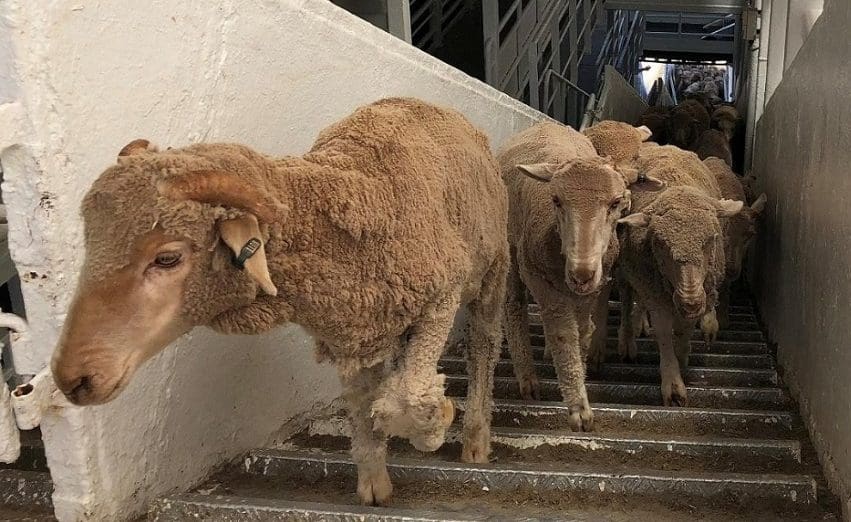
THE Federal Government has announced more than $690,000 in the first round of funding to livestock transporters transitioning from the live sheep export industry.
A media release from the Minister for Agriculture, Fisheries and Forestry Julie Collins said further funding to support the orderly phase out of live sheep exports by sea will soon flow.
The Farm Business Transition and Livestock Transport Industry Transition grant rounds will support sheep producers and livestock transport operators to transition businesses, invest in new opportunities, and strengthen long-term viability ahead of the phase out of live sheep exports by sea by 1 May 2028, the release said.
The Farm Business Transition program is delivering $30 million in total grant funding to help sheep producers prepare for change, with $10.8 million allocated in this round.
Grants of up to $75,000 were available to support the development of business plans and the adoption of alternative farming systems or diversified operations, with 180 successful applications.
 The Livestock Transport Industry Transition Program will provide $1.5 million to help livestock transport operators and businesses adjust operations before trade ends. A total of $691,117 has been awarded through this first grant round, with grants of up to $40,000 awarded to 20 successful applicants, Ms Collins’ statement said.
Click here for details of the 20 successful grants.
Round 1 of the grant programs ran from the 7 October to 1 December last year, with the second round of grant opportunities to be opened later in 2026.
Ms Collins said the Albanese Labor Government is committed to an orderly transition in the phase out of live sheep exports by sea.
“The funding I am announcing today will support this orderly transition, giving businesses the opportunity to invest in future operations.
“Further grant rounds will open later this year which will provide businesses with more opportunities to invest,” she said.
“Our sheep industry is a proud and important part of our agricultural sector, which is why we continue to support it as we transition away from live sheep exports by sea.”
HAVE YOUR SAY