
Merino sheep at CSIRO’s Chiswick Research Station where research has been taking place. Image – CSIRO.
MERINO producers are trialling a new resilience test to identify sheep that are better able to cope with stressors in their environment.
And a similar test could be developed for other maternal and terminal sheep breeds given adequate funding and industry collaboration.
The genomic tool, known as ImmuneDEX, measures a resilience trait called immune competencies, by comparing how individual sheep respond to a standard vaccine challenge. Animals receive a vaccine and then differences in their immune response is assessed.
ImmuneDEX has been developed through a collaboration between Australia’s national science agency, the CSIRO, with Neogen, the Animal Genetics and Breeding Unit and Meat & Livestock Australia’s national genetic information and evaluation service Sheep Genetics.
CSIRO senior scientist Mrs Amy Bell said Merino producers are currently able to access the genomic tool called ImmuneDEX through CSIRO’s industry collaborator, Neogen.
“Over the last nine years, CSIRO and collaborators measured immune response during a challenging time in a sheep’s life, that being the weaning process to determine if it was able to provide an indication of an animal’s ability to mount a ‘general immune response’ while under stress.
“We have measured around 5000 Merino sheep for this trait, conducted analysis to look at the genetics around the trait and we now know it is heritable and has favourable relationships with the health traits we measured,” she said.
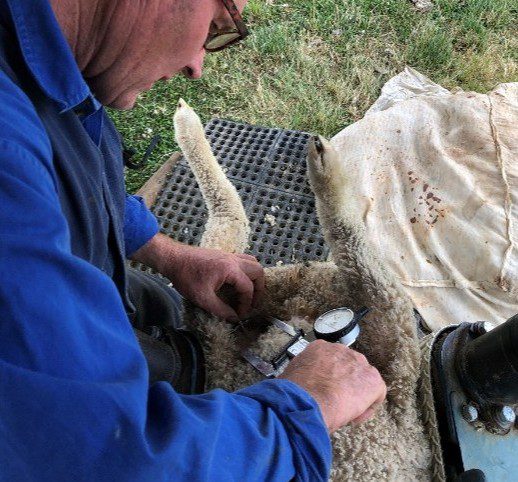
Each sheep’s resilience was measured through a standard vaccine challenge, with all animals receiving the same vaccine to assess differences in their immune response. Image – CSIRO.
“There were little to no relationship between ImmuneDEX and production traits such as bodyweight and fleece traits.
“The next step was to develop it into a tool producers could use and with further collaboration and delivery through Neogen, that is underway now,” Mrs Bell said.
“We were fortunate to be able to utilise an informative population of Merino sheep for this work, which included a range of Merino sires from diverse Merino backgrounds.
“To ensure the genomic tool remains informative for the Merino population, we would absolutely like to keep measuring more animals for this immune response, but as it is a hard to measure trait we will require further collaboration for this to happen.”
ImmuneDEX has been available for customers of Neogen from 1 May 2026, and will remain exclusive for the next two years. It is currently provided at no additional cost to producers using Neogen’s SmartFlock Elite product.
“It is added on if Merino animals are being sampled,” Mrs Bell said.
“It is adding even more value to submitting the DNA samples – more value for the investment.”
And for the maternals and terminals….
Mrs Bell said CSIRO researchers would like to keep building on the Merino work to have a similar product validated for use in terminal or other maternal sheep breeds as soon as possible.
“We need to validate the test in other breeds and are currently actively seeking collaborative opportunities to achieve this.
“We are purely limited by funding, we would go out tomorrow and measure thousands of animals, but we also have to pay the bills.
“We are very open for collaborations or at least having conversations with people to see if we could incorporate it into other projects that are going on.”
Mrs Bell said there are lots of different sire evaluation schemes with different breeds and researchers would be keen to talk with them.
She said there had been some early work in the area and the Merino work could be replicated with other breeds.
Resilience, animal health and production
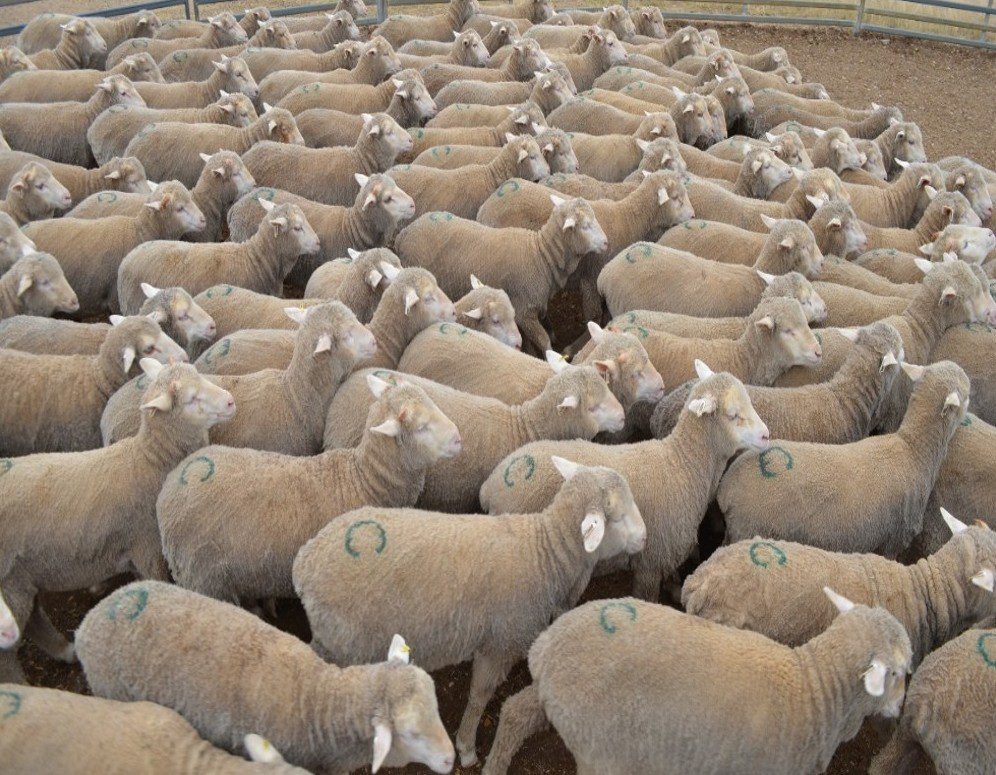
The Merino flock at CSIRO’s Chiswick Research Station where research has been taking place. Image – CSIRO.
Mrs Bell said the ImmuneDEX work builds on previous projects in Merino sheep, supported by Australian Wool Innovation, examining the genetics of traits related to resilience and immune competence.
She said the work examines an aspect of animal performance that has been difficult to measure in the past.
“We’ve been asking animals to be as productive as possible, but we haven’t always understood why some cope better with challenges than others,” Bell said.
“Sheep face a range of stressors from disease to climate and flock management, and this work gives us a way to measure how well they respond to aspects of those challenges.”
The research showed that some sheep consistently responded better than others, and that this ability had a genetic component, meaning it could be improved over time through selective breeding.
The findings showed that this measure of resilience is linked to animal health, but has little to no correlation to key production traits relating to wool characteristics and bodyweight.
Mrs Bell said this allows a component of resilience to be considered alongside existing breeding priorities.
“Selecting for productivity doesn’t necessarily mean you’re selecting animals that cope well with stressors.
“We now know that this trait is heritable and has favourable genetic relationships with animal health traits.”
Amy Bell will be presenting her research at the LambEx 2026 conference at the Adelaide Convention Centre, during a breakfast panel discussion on Wednesday 8 July 2026 from 7:15am.
Source – CSIRO.
HAVE YOUR SAY